Workplace safety has become a cornerstone of modern business responsibility. Each year, over 2.3 million workers die due to work-related accidents or diseases, while nearly 340 million experience occupational injuries worldwide. These figures underline the urgent need for robust safety systems.
ISO 45001:2018, the global standard for Occupational Health and Safety Management, empowers organizations to identify risks, prevent incidents, and protect their workforce. However, achieving certification demands expertise which is why partnering with an experienced consultant ensures a smooth, compliant, and effective implementation.
ISO 45001:2018 Certification – An Overview
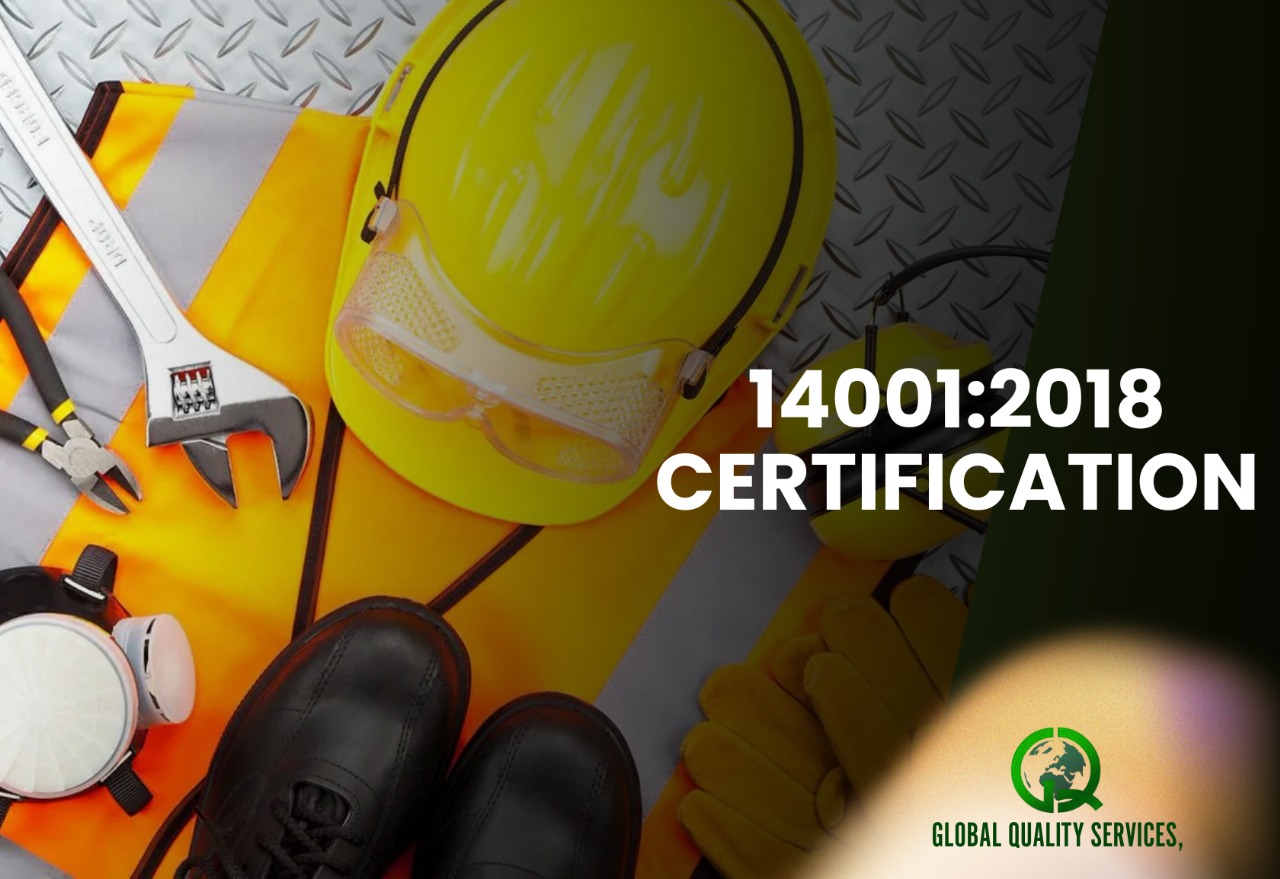
ISO 45001:2018 sets the global benchmark for occupational health and safety management. It helps organizations identify hazards, control risks, and create safer workplaces.
By achieving this certification, businesses protect employees, meet legal obligations, and strengthen their reputation for safety, responsibility, and sustainable performance.
Why ISO 45001:2018 Matters for Service Organizations?
Service organizations rely on people, not machines, making employee safety a top priority. ISO 45001:2018 helps them build safer workplaces, reduce downtime, and boost staff morale. It also enhances client trust by showing a strong commitment to health, safety, and operational reliability in every service delivered. Companies can also follow R2v3 and SOC, ESG certifications for better coverage.
The Trust Services Criteria Explained
The Trust Services Criteria define key principles for security, availability, processing integrity, confidentiality, and privacy. Businesses use these criteria to prove strong control over data and systems.
Meeting these standards builds client confidence, ensures regulatory compliance, and demonstrates a company’s commitment to safeguarding information with integrity and transparency.
The ISO Certification Process
The ISO certification process includes planning, implementing, and auditing. Each step ensures compliance, improves efficiency, and helps organizations meet global quality and safety standards.
Readiness Assessment & Gap Analysis
A readiness assessment and gap analysis help organizations evaluate their current systems against ISO requirements. Experts identify missing elements, set priorities, and outline improvement steps. This process gives businesses a clear roadmap to close gaps, strengthen compliance, and prepare confidently for successful certification.
Control Implementation & Documentation
Implementing controls and maintaining proper documentation ensures that every safety measure aligns with ISO 45001:2018 standards and supports effective certification.
Key ISO 45001:2018 Documentation Includes:
- Occupational Health and Safety (OHS) policy
- Hazard identification and risk assessment records
- Legal and compliance register
- Training and competency records
- Incident and accident reports
- Emergency response procedures
- Internal audit reports
- Management review minutes
- Corrective action and improvement records
Independent Audit & Reporting
Independent audits verify how effectively an organization follows ISO 45001:2018 standards. Auditors review systems, processes, and safety practices to confirm compliance.
After evaluation, they provide detailed reports highlighting strengths, nonconformities, and improvement areas helping organizations enhance performance and maintain certification readiness.
Ongoing Compliance & Monitoring
Ongoing compliance and monitoring keep ISO 45001:2018 standards active in daily operations. Organizations track performance, review safety goals, and update controls regularly.
Continuous evaluation ensures sustained workplace safety, quick issue resolution, and long-term improvement across all levels of the health and safety management system.
Benefits of ISO 45001:2018 Certification
ISO 45001:2018 certification helps organizations build safer workplaces, reduce incidents, and improve employee well-being. It ensures legal compliance, builds credibility, and boosts productivity through a strong safety culture. This certification also shows a clear commitment to responsibility, efficiency, and long-term business sustainability.
Strengthening Data Security & Reducing Risk
Organizations protect sensitive information by implementing strong security measures. They identify risks, monitor systems, and prevent breaches. This proactive approach reduces operational and reputational threats while keeping data safe and reliable.
Building Client Trust & Winning Contracts
Companies demonstrate strong commitment to safety and compliance, earning greater client trust. By meeting global standards, they attract new contracts and retain loyal clients. Consistent safety practices help them stand out in competitive markets.
Aligning with Global Compliance Standards
Following ISO 45001:2018 helps organizations meet health and safety laws across regions. It streamlines processes, strengthens accountability, and showcases a professional commitment to workplace safety and global best practices.
Industries That Require ISO 45001:2018 Certification
ISO 45001:2018 certification is essential for industries with higher workplace safety risks or complex operational environments. Manufacturing, construction, oil and gas, logistics, mining, and healthcare benefit the most.
It enables these industries to manage occupational hazards effectively, meet regulatory requirements, and build a strong culture of safety and responsibility.
IT & Software Development Companies
IT and software firms implement ISO 45001:2018 to manage energy use, reduce e-waste, and promote eco-friendly operations. Following the standard strengthens sustainability practices and enhances corporate responsibility in tech-driven environments.
BPOs & Shared Service Centers
BPOs and shared service centers use ISO 45001:2018 to optimize resource consumption, reduce paper and energy waste, and maintain efficient environmental management. Certification demonstrates operational responsibility to clients and stakeholders.
Fintech & Financial Services
Fintech and financial companies adopt ISO 45001:2018 to manage operational impact and ensure sustainable business practices. It improves credibility, boosts client confidence, and aligns operations with global environmental standards.
Cost and Timeline for ISO 45001:2018 Certification
The cost and duration of ISO 45001:2018 certification depend on your organization’s size, operations, and current safety systems. With proper planning and smart resource allocation, businesses can achieve certification efficiently. A structured approach then helps them maintain complete compliance with safety and environmental standards.
Factors Influencing Cost
ISO 45001:2018 certification costs vary depending on your organization’s scale, operational structure, and safety maturity. Factors like the number of sites, workforce size, and internal preparedness also shape the overall investment. By aligning resources strategically, companies can streamline the process, minimize costs, and secure certification without unnecessary delays.
Duration for Type I and Type II Certification
For ISO 45001:2018, certification timelines vary based on scope and complexity. A single-site certification may take 3–6 months, while multi-site or large-scale operations can extend up to a year. Working with experienced consultants and following a clear roadmap ensures faster, more efficient certification.
Why Partner with Altus Asia for ISO 45001:2018 Certification?
Partnering with Altus Asia makes your ISO 45001:2018 certification journey smooth and effective. Their experts guide you through every stage from planning to audits, helping you strengthen workplace health and safety, ensure compliance, and build a culture of trust and accountability. With Altus Asia, achieving a safer and more efficient organization becomes easier.
Local Expertise with Global Standards
Altus Asia bridges local insight with global ISO 45001:2018 expertise. Their team helps businesses align with regional laws while upholding international standards, creating a perfect balance of compliance, safety, and global credibility.
Streamlined End-to-End Consulting
Their consultants support organizations at every stage, from gap analysis and system setup to documentation and audit preparation. This streamlined process minimizes delays, prevents mistakes, and makes certification faster and easier.
Tailored Solutions for Every Organization
Altus Asia tailors its approach to fit every organization’s scale, sector, and objectives. Their team tackles unique challenges, refines operations, and helps businesses achieve effective and lasting environmental management.
Partnering with Altus Asia – Your Compliance Expert in Asia
Partnering with Altus Asia makes your ISO 45001:2018 certification journey seamless and stress-free. Their experts guide you from planning to audits, ensuring compliance, safer workplaces, and sustainable growth. Connect with Altus Asia today to achieve ISO 45001:2018 certification confidently and efficiently across Asia.
FAQs
The more informed you are, the wiser your decisions. Share your queries with us, and get expert answers anytime. We are just a click away.
1. How does ISO 45001:2018 help reduce workplace incidents?
ISO 45001:2018 builds a proactive safety culture by identifying risks before they cause harm. It helps organizations analyze near misses, improve hazard controls, and engage employees in safety practices that consistently reduce accidents and injuries.
2. Why do clients prefer working with ISO 45001-certified companies?
Clients trust certified organizations because they see clear evidence of safety commitment. Certification shows that the company values its workforce, responsibly manages risks, and delivers projects without safety disruptions, strengthening long-term business relationships.
3. How does ISO 45001 integrate with other management systems like ISO 9001 or ISO 14001?
ISO 45001 follows the Annex SL structure, which aligns perfectly with ISO 9001 (Quality) and ISO 14001 (Environment). This allows companies to streamline audits, unify processes, and manage health, safety, and quality goals under a single management framework.
4. What role do employees play in achieving ISO 45001 certification?
Employees drive the success of ISO 45001. They participate in hazard identification, risk assessments, and safety meetings. Their feedback helps management create safer work environments and implement practical improvements that work in real situations.
5. How often should organizations review their occupational health and safety performance under ISO 45001?
Top management should review safety performance at least once a year, but high-risk industries benefit from quarterly reviews. Regular evaluations ensure the organization tracks progress, updates risk controls, and maintains continuous improvement across all safety areas.